The Route
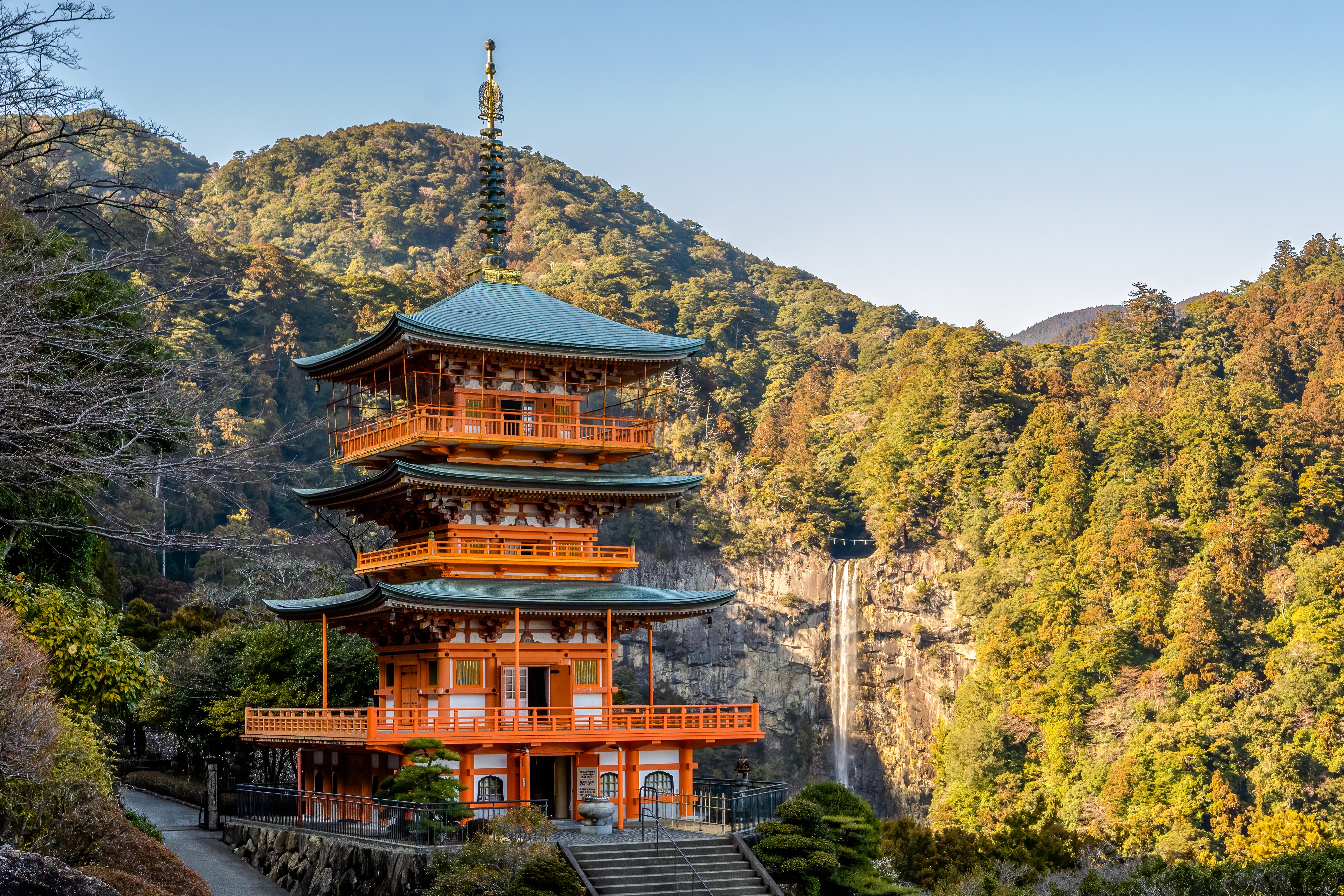
The Kumano Kodo is a network of ancient pilgrimage paths across Japan’s Kii Peninsula, with the Nakahechi Route linking the three Kumano Grand Shrines at Hongū, Nachi, and Hayatama. Emperor Shirakawa made one of the earliest recorded imperial pilgrimages in 1090, and the routes developed as a meeting place for Shinto and Buddhist traditions. Cedar forests, mossy stone steps, mountain villages, waterfalls, rivers, and the Pacific coast shape the landscape. The Nakahechi usually takes four to six days, most often in spring or fall, though rain and summer heat alter the pace. A day involves steep wooded climbs, torii gates, quiet shrine grounds, and a planned arrival at a village inn or onsen town. Remote stretches require carried lunches. Ryokan and minshuku dinners provide rice, soup, tofu, pickles, grilled fish, and seasonal mountain food. Meharizushi travels well, while grilled ayu and wild boar broth belong to the interior. At Kii-Katsuura, the food turns toward the sea and maguro tuna.
Resources
More from Walking to Dinner
The Story
The Kumano Kodo is a network of ancient pilgrimage paths across Japan’s Kii Peninsula, with the Nakahechi Route linking the three Kumano Grand Shrines at Hongū, Nachi, and Hayatama.
Story in development.Newsletter
New food stories, guides, and maps are published at Substack. Subscribe to be notified when new content for Kumano Kodo goes live.
Subscribe at Substack →