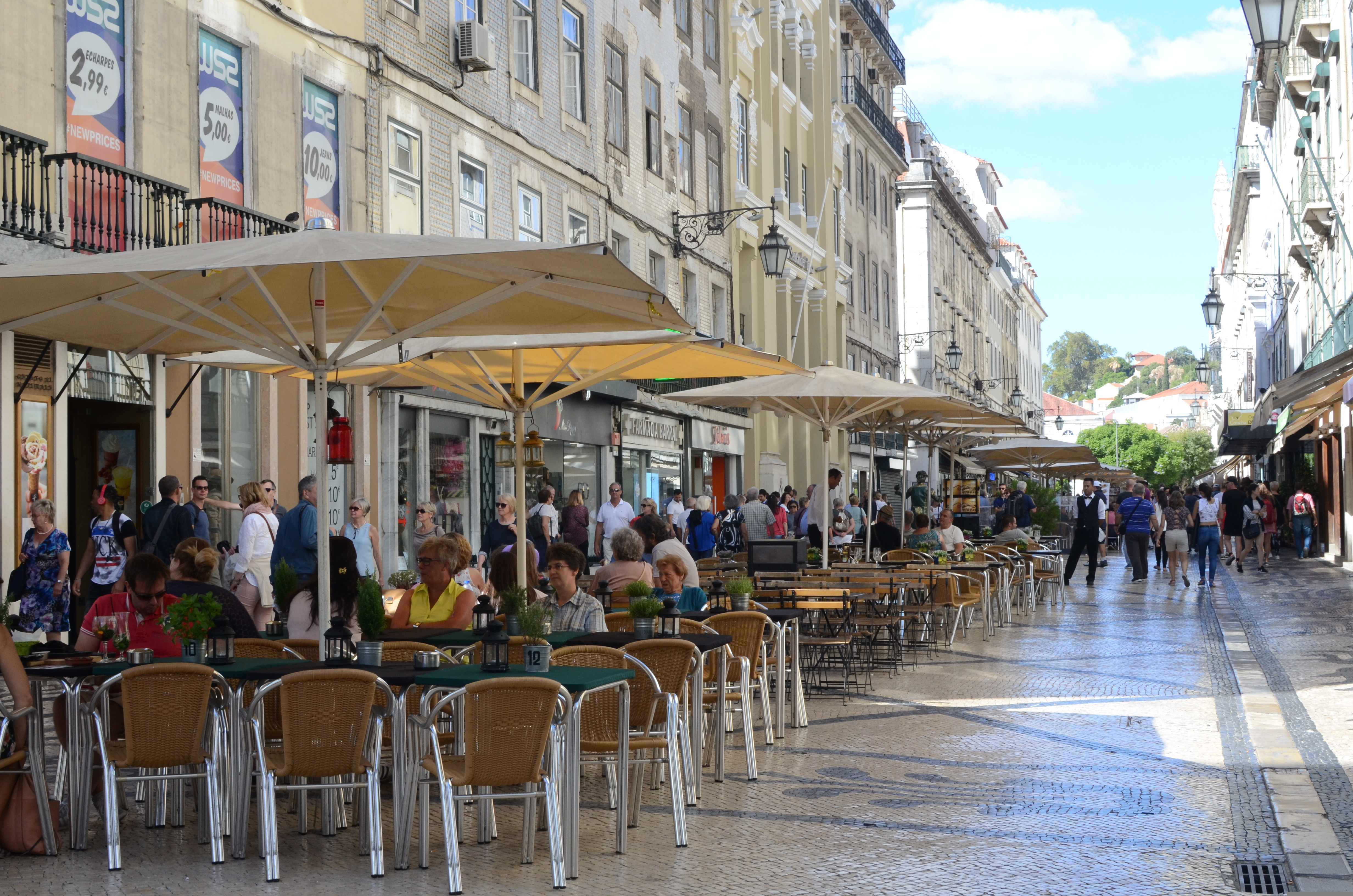
The Camino Portugués runs north from Lisbon through the Minho valley and into Galicia, and the food changes with the latitude. Portugal eats bacalhau in what the locals claim are 365 different preparations. Galicia grills octopus in copper pots and serves it with coarse salt and smoked paprika on a wooden board. In between is the pilgrim menu: three courses, wine, and bread for a fixed price, eaten with whoever sits down at the same table. In Pontevedra, port wine at a bar on the granite streets. In Santiago, bean soup with clams after a day in the rain. The tosta mista, a grilled ham and cheese sandwich and a galão, is breakfast at every café from Lisbon to the border. The goose barnacles, if you want them, are seasonal.
Food System
Food on the Camino Portugués begins with the daily rhythm of breakfast and food stops, then changes as the route crosses from Portugal into Galicia.
Breakfast and food stops
Firsthand · Verified
Tosta mista and a galão, the milky coffee, are the standard pilgrim breakfast at Portuguese cafés. Covered mercados, like Porto’s Mercado do Bolhão, add fresh provisions before the day’s walk.
Portuguese-to-Galician transition
Firsthand · Verified
At the border crossing from Valença into Tui, bacalhau gives way to Galician polbo á feira and pimientos de Padrón. Many restaurants along this stretch serve a fixed-price pilgrim menu of soup, an octopus or fish main, and house wine.
Wine along the route
Firsthand · Verified
Portuguese wine runs through meals in the Minho valley, and it turns up again after the border, at a granite-street wine bar in Pontevedra.
Portugal
The Camino Português begins in Porto for most pilgrims — at the Sé Cathedral, the traditional starting point, a few blocks from the Atlantic-facing waterfront. The food follows the Atlantic: bacalhau in its many preparations, caldo verde, and the pastry counters and coffee bars that make Portuguese mornings distinct. Walking north through the Minho valley, the route moves through a landscape of vineyards, small market towns, and daily mercados, until the border crossing at Valença brings you into Galicia.
Galicia
The border crossing at Tui brings a different food culture — Galician octopus, blistered peppers, and the granite streets of Pontevedra's market quarter replacing the Portuguese breakfast counters and bacalhau restaurants of the south. Oranges and limes, mint and nettles, eucalyptus and bamboo grow across the Galician countryside. The pilgrim menu continues here, but the dishes change.
Praza da Constitución, 14, 36202 Vigo, Pontevedra, Spain / galicia / Try: Grilled scallops on the half-shell
Soportales Vinotales provides café fare and tapas in Vigo's old quarter. Its offerings include grilled scallops served on the half-shell with their orange roe, alongside other tapas. The spot provides seafood and small plates in the Galicia portion of the Camino Portugués.
Praza do Obradoiro, 1, 15705 Santiago de Compostela, A Coruña, Spain / galicia / Try: Bean soup with clams; braised duck leg; jamón ibérico and scallop toast
Restaurant dos Reis provides a substantial meal in Santiago de Compostela at the end of the Camino Portugués. Its offerings include bean soup with clams, braised duck leg with charred greens, and toast topped with jamón ibérico and a scallop, bringing several documented dishes to the arrival table.
Official website ->Food Map
A food map of the Camino Portugués: seafood, bacalhau, and Galician food culture along the Portuguese Way.
Open the Camino Portugués food map →More from Walking to Dinner
The Story
The Camino Portugués is a Christian pilgrimage route from Portugal to the shrine of Saint James in Santiago de Compostela.
Read the story on Substack →